
Electronic cigarettes, also known as e-cigarettes or vapes, have become increasingly popular over the past decade. They are marketed as less harmful alternatives to traditional smoking, but what exactly is in an e-cigarette? Understanding the composition of these devices and the substances they contain is crucial for making informed decisions about their use. Below, we break down the primary components of e-cigarettes and explore the ingredients you’ll find in e-liquids.
The Main Components of an E-Cigarette
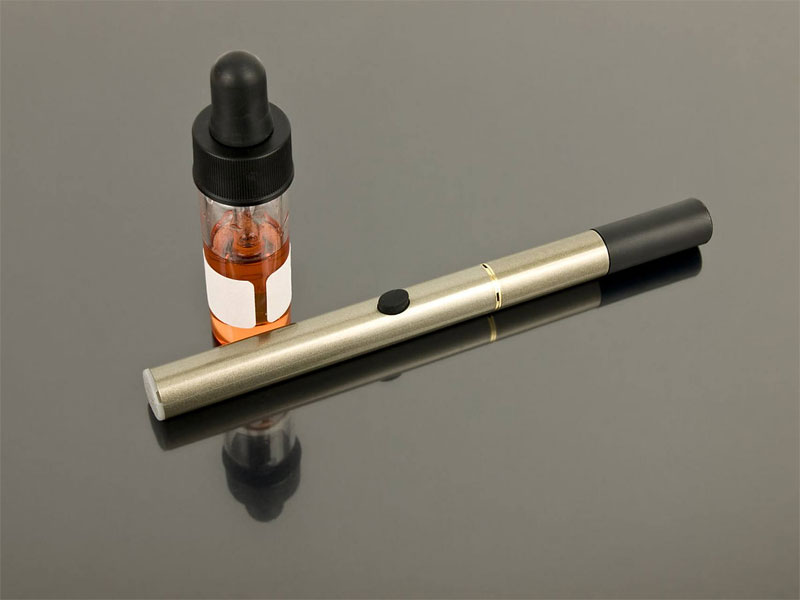
E-cigarettes typically consist of three main parts: the battery, the atomizer, and the e-liquid cartridge (or tank). The battery powers the device, the atomizer heats the e-liquid, and the cartridge holds the liquid that turns into vapor. Together, these parts work to mimic the sensation of smoking without burning tobacco.
1. The Battery
Most e-cigarettes use a rechargeable lithium-ion battery. These batteries come in various sizes and capacities, influencing how long you can use the device before needing to recharge. Advanced e-cigarette models even allow users to adjust the power output to control vapor production.
2. The Atomizer
The atomizer is a heating element that turns the liquid into an aerosol, or vapor. It consists of a coil and a wick. The wick absorbs the e-liquid, and the coil heats it up when the user inhales or presses a button on the device.
3. The E-Liquid Cartridge
The e-liquid, also called vape juice, is stored in a cartridge or tank. This liquid is heated by the atomizer to produce the vapor that users inhale. While the hardware is an essential part of an e-cigarette, the ingredients in the e-liquid raise the most concern among health professionals and users.
What’s Inside E-Liquids?
The composition of e-liquids can vary significantly between brands and products, but they generally contain four major ingredients:
1. Propylene Glycol (PG)
Propylene glycol is a colorless and odorless liquid commonly used as a food additive. In e-liquids, it helps create the sensation of a “throat hit,” similar to what is experienced when smoking a traditional cigarette. It also acts as a carrier for the flavorings.
2. Vegetable Glycerin (VG)
Vegetable glycerin is a thicker liquid derived from plant oils. It is responsible for producing the dense clouds of vapor associated with vaping. VG is often mixed with PG in varying ratios to create a balance between vapor production and throat hit.
3. Nicotine
Nicotine is a highly addictive stimulant naturally found in tobacco plants. Its inclusion in e-liquids allows vapes to serve as substitutes for regular cigarettes. Nicotine concentrations in e-liquids can vary, ranging from very high to completely nicotine-free options.
4. Flavorings
A diverse range of artificial or natural flavorings is added to e-liquids to enhance the vaping experience. These flavors can mimic fruits, desserts, menthol, or even tobacco. While they may make vaping more appealing, some studies suggest that certain flavoring compounds may pose health risks when inhaled.
Are There Additional Chemicals to Be Aware Of?
Apart from these primary ingredients, e-liquids may also contain small amounts of other chemicals. For example, the heating process can produce substances like formaldehyde, acetaldehyde, and acrolein, all of which have been linked to potential health risks. It’s also worth noting that not all e-liquids are manufactured under strict regulatory oversight, which means some products might contain harmful contaminants.

Potential Health Implications
While e-cigarettes are often touted as safer alternatives to traditional smoking, they are not without risks. The long-term health effects of inhaling e-liquid ingredients remain under study, but some early evidence suggests a link between vaping and respiratory and cardiovascular conditions. Furthermore, nicotine addiction remains a significant concern, especially among younger users attracted by flavored products.
Making Informed Choices
When considering whether or not to use e-cigarettes, it’s important to research the ingredients and understand the potential health risks. Users should also pay attention to product labeling, ensuring that they purchase e-liquids from reputable manufacturers who adhere to safety standards. Understanding what’s in your vape can help you make a healthier and more informed choice.
FAQs About E-Cigarette Ingredients
- 1. Are flavorings in e-cigarettes safe?
- While food-grade flavorings are generally recognized as safe for ingestion, their safety when inhaled is less certain. Some compounds in flavorings could break down into harmful substances when heated.
- 2. Can I find nicotine-free e-liquids?
- Yes, many brands offer nicotine-free options, which can be a good choice for those who enjoy vaping but wish to avoid the addictive properties of nicotine.
- 3. Do e-cigarettes contain harmful chemicals?
- Some harmful chemicals, such as formaldehyde or acrolein, can be produced during the heating of e-liquids. Using high-quality devices and liquids can help minimize these risks.