
Travel-smart advice from IBVape on carrying vape gear
Planning a trip with your vaping kit raises practical questions about airline rules, airport security, customs, and smart packing. This guide reframes common concerns and delivers practical, user-focused guidance on whether you can bring vapes, batteries, and e-liquids aboard, how to store them, and what to pack for a smooth journey. If you’re searching for clear answers to IBVape|are e cigarettes allowed in luggage and related queries, this resource collects up-to-date regulatory principles and tips so you can travel with confidence.
Quick summary: core rules at a glance
- Carry-on, not checked: Most international aviation authorities and airlines require that electronic cigarettes and devices with lithium batteries be carried in the cabin (carry-on luggage) rather than checked baggage due to fire risk.
- Liquids rule applies: E-liquids must generally follow the liquids-in-cabin rule (containers 100 ml / 3.4 oz or less in a clear resealable plastic bag) unless purchased duty-free and packed in tamper-evident bags per the shop’s instructions.
- Spare batteries: Store spare lithium batteries and power banks in your carry-on with terminal protection (tape or cases) and never in checked baggage.
- Country-specific prohibitions: Some countries restrict or ban e-cigarettes entirely — check local law before travel.
- Airline policies vary: Always verify airline-specific rules before flying; some carriers have stricter policies, restrictions on using/charging devices on board, or special handling requirements.
Why carry-on is the rule
The aviation and safety rationale is straightforward: lithium-ion batteries used in many mods and power banks can pose a fire hazard if they fail. A cabin-based fire can be addressed quickly by crew; a fire in the cargo hold is much harder to manage. For that reason, authorities such as the International Civil Aviation Organization (ICAO) and the International Air Transport Association (IATA) recommend that devices with lithium batteries remain in the passenger cabin. For travelers using the search phrase are e cigarettes allowed in luggage, the consistent answer in most jurisdictions is: yes, on your person or in carry-on, not in checked baggage.
Types of devices and how they’re treated
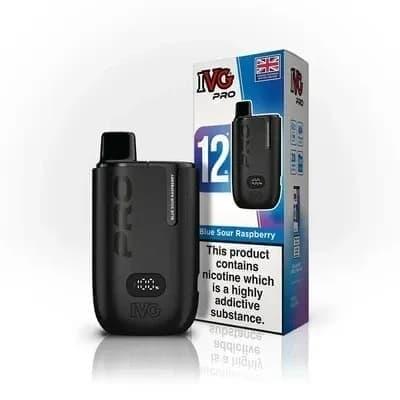
- Disposable vapes: Treated as electronic cigarettes; carry them with you in cabin baggage. Be mindful that some countries forbid their import.
- Pod systems and mods: These contain batteries and reservoirs. Empty tanks may be allowed in checked luggage but the batteries must be in carry-on — to avoid confusion, keep the whole device with you.
- Power banks and external batteries: Considered portable electronic batteries and must be carried in cabin baggage. Airlines often set capacity limits (e.g., watt-hours).
How to pack your vaping kit like a pro
Follow these packing strategies to meet security checks and stay organized:
- Primary device: Keep your working device (mod, pod, or disposable) in a dedicated pouch in your carry-on. This makes security screening faster and reduces damage risk.
- Spare batteries: Protect battery terminals with original packaging or tape and place them in a hard case inside your carry-on. Avoid loose batteries in checked luggage.
- E-liquid bottles: Use travel-friendly bottles (100 ml or less), store them in the transparent liquid bag with other liquids, and ensure caps are leak-proof. For larger volumes, buy at duty-free if allowed and keep the receipts and tamper-evident packaging.
- Chargers and cables: Pack them in an electronics organizer. Charging devices are typically not allowed in-flight and should be used only when permitted by airport lounges or on the ground.
- Cotton and tools: Small tools and wicks should be packed in carry-on, but check sharp object rules (e.g., scissors) for blade length limits.
Battery capacity and airline rules
Many carriers apply watt-hour (Wh) limits to lithium batteries. Typical allowances break down like this: under 100 Wh — usually allowed in carry-on without airline approval; 100–160 Wh — may require airline approval and are limited in quantity; over 160 Wh — generally prohibited as carry-on or checked battery. If you use high-capacity mods or many spare batteries, check airline policies and carry documentation showing battery Wh when possible.
Liquid limits and e-liquid packing
The standard international cabin rule for liquids applies to e-liquid: containers must be 100 ml (3.4 oz) or less, and all liquid containers together should fit comfortably in a single transparent, resealable plastic bag. Exceptions exist for duty-free purchases with sealed shop bags; keep receipts. When crossing borders, remember that some jurisdictions classify nicotine liquids as controlled products, so research local import rules before landing.
Country-specific highlights and restrictions
Not all countries treat vaping the same. Before departure, search official customs and health ministry guidance, and consider the following well-known restrictions:
- Singapore and Brunei: Strict bans are in place; possession can lead to fines or imprisonment.
- Thailand: Enforcement is strict, and large fines may apply despite some legal grey areas.
- United Arab Emirates (UAE): Vaping is regulated and can involve restrictions; rules vary among emirates.
- Australia and New Zealand: Regulations differ by state/territory; nicotine-containing e-liquid may require prescription or be restricted.
- EU, UK, USA, Canada: Generally allow vaping devices and e-liquids, but with specific labeling and nicotine concentration or packaging rules.
At the airport: screening tips and etiquette
Security agents are routinely familiar with vapes. To reduce delays and questions:
- Keep devices and liquids separated for the X-ray tray if requested.
- Declare spare batteries if asked; store them safely and visibly in your carry-on.
- Avoid charging or using devices near security checkpoints.
- Follow crew instructions: vaping is prohibited on board and in many airport terminals.
Hotel stays and local use
Many hotels prohibit vaping indoors or in certain areas due to fire alarms and other guests’ comfort. Use designated smoking areas when available and always follow local signage. If you need to dispose of used coils, cotton, or batteries, use hotel waste disposal guidance — never leave lithium batteries in general waste bins unprotected.
Packing checklist — compact and shareable
Use this checklist to assemble a travel-friendly vape kit that complies with most airline and security rules:
- Primary device in protective pouch
- One or two spare tanks/cartridges (empty if possible)
- Spare batteries in terminal-protected cases
- Power bank (within airline Wh limits) in carry-on
- Chargers and cables in an organizer
- E-liquids in 100 ml bottles inside a clear resealable bag
- Coils, tools, and cleaning cloth in a small pouch
- Proof of purchase or battery capacity documentation if using high-capacity packs
- Local legality printouts or downloaded guidance pages for the destination country

Special situations and useful scenarios
If you are traveling with rare or valuable gear, or visiting a country with restrictive rules, consider these options:
- Ship ahead:
 Use a reliable courier to ship permitted items to your destination if airline rules are restrictive — check customs duties and import rules first.
 - Buy locally: In many destinations you can buy disposable vapes or e-liquids locally, but be careful about authenticity, nicotine levels, and banned brands.
- Temporary storage: Some airports offer short-term secure storage, but remember that checked storage may still be subject to the same restrictions as checked baggage.
Common mistakes to avoid
Travelers frequently make errors that lead to confiscation, delays, or fines. Don’t:
- Pack batteries in checked baggage.
- Fail to check local laws for the destination country.
- Assume all duty-free purchases automatically qualify for cabin carriage — keep receipts and sealed packaging.
- Charge devices during flight or attempt to use vapes on board.
How IBVape helps travelers
IBVape provides practical, transport-aware guidance for vapers, including product advice, battery safety best practices, and packing suggestions that align with most airline rules. Whether you’re a casual traveler or a frequent flyer, aligning with the core principles — keep devices in carry-on, protect batteries, and respect local laws — will help you avoid most travel hassles. If you typed are e cigarettes allowed in luggage into a search engine, you likely want clarity and simple, reliable directions — this guide is designed to give that clarity.
When in doubt, verify
Airlines, airports, and countries update rules. Before departure, check:
- Official airline pages under “prohibited items” or “special baggage.”
- Airport security pages and recent advisories for your airport of departure and arrival.
- Government customs and health ministry notices at your destination.
Practical scenario: a sample carry-on layout
Lay out items neatly in your carry-on to pass through security with minimal fuss: one pouch for devices and batteries; a liquids bag with e-liquids; a small tech organizer for chargers and cables; paperwork in a flight folder. Label or document battery capacities if necessary. This simple system makes security inspections faster and reduces the chance of confiscation.
Remember: rules are about safety. Success in traveling with vape gear is a mix of planning, documentation, and respect for local law and airline policies.
Closing notes
Travelling with vaping equipment need not be stressful. The golden rules are consistent: carry batteries and devices in your cabin baggage, follow liquid restrictions for e-liquids, and research country-specific prohibitions before you go. These steps let you enjoy travel while minimizing risk to your gear and compliance issues. For anyone asking IBVape|are e cigarettes allowed in luggage the practical takeaway is straightforward: yes — but with strong conditions: carry-on only for devices and spare batteries, liquids under the usual limits, and strict adherence to local prohibitions.
- Q: Can I put a vape in checked luggage? A: Generally no — airlines and safety regulators require devices with lithium batteries to be carried in the cabin. Checked luggage poses a fire risk and is discouraged.
- Q: How much e-liquid can I carry onboard? A: Most airports follow the 100 ml (3.4 oz) container rule for carry-on liquids; larger quantities may need to be purchased duty-free in sealed bags.
- Q: Are spare batteries allowed in my hand luggage? A: Yes, but they must be protected to prevent short circuits (original cases, taped terminals, or dedicated battery cases). Watch for airline watt-hour limits and quantity restrictions.
- Q: What if my destination bans vaping? A: Do not travel with vaping products to countries where they are illegal — confiscation, fines, or criminal penalties may result.
 IBVape travel guide IBVape answers are e cigarettes allowed in luggage when flying and what to pack” />
Travel responsibly, check rules early, and keep your kit organized so you can focus on the journey instead of compliance issues. Safe travels from the community at IBVape and remember to confirm rules with your airline before you fly if you need the most current, situation-specific advice on are e cigarettes allowed in luggage.