
Traveling with Vapes: Practical Guidance for Passengers
Planning a trip and wondering about taking your e-cigarette devices along? Whether you’re flying domestically or internationally, knowing the rules, safety tips, and brand-friendly advice can make the journey smoother. This guide focuses on safe transport, airline policies, battery handling, and sensible recommendations including considerations for IBvape products and accessories. The content below balances practical travel compliance with vaping lifestyle tips while emphasizing safety and legality.
Overview: Why e-cigarette travel rules matter
Air travel brings unique constraints: pressurized cabins, security screening, and varying national regulations. E-cigarettes combine electronics, batteries, and liquid nicotine — components that can present ignition or leakage risks if mishandled. Consequently, most carriers and aviation authorities impose strict rules. To reduce delays, confiscation, or fines, it’s important to follow airline policies and global standards when you pack devices and spare batteries.
Core principles to remember
- Keep e-cigarettes in carry-on baggage, not checked luggage.
- Store spare lithium batteries in protected, insulated cases.
- Follow local nicotine liquid limits and labeling rules.
- Respect no-smoking/no-vaping zones at airports and onboard aircraft.
Airline rules: What to expect
Individual airlines publish their own policies, but most follow the International Air Transport Association (IATA) and local aviation authority guidance. Common airline restrictions include:

Carry-on vs. checked luggage
Carry-on required: Nearly all airlines require e-cigarettes, mods, and spare batteries to be carried in the cabin. This policy exists because crew can respond quickly if a battery problem or device malfunction occurs. Packing vapes in checked luggage increases fire risk in an area without immediate crew access and is typically prohibited.
Liquid limits and packaging
 IBvape recommendations” />
When traveling with e-liquids, standard cabin liquid rules (typically 100 ml/3.4 oz per container inside a clear resealable bag) often apply. Some countries allow medically prescribed nicotine in larger quantities with documentation, so check local rules if you rely on nicotine replacement during travel.
Device types that often attract scrutiny
High-capacity devices, unregulated mechanical mods, or devices modified for higher power might be subject to additional scrutiny or restrictions. Some carriers or nations restrict certain nicotine concentrations or certain device models suspected of noncompliance. To minimize problems, travel with commercially manufactured, safety-certified devices where possible.
Security screening tips
At checkpoints, expect to remove devices and batteries from carry-ons if requested. Keep devices accessible and present them to security staff when asked. Loose coils, tools, or refill bottles can prompt extra inspection, so organize accessories in a transparent pouch to speed processing.
Best practices at security
- Place devices in a dedicated pouch for quick retrieval.
- Label spare batteries or carry them in original packaging if possible.
- Declare medically necessary nicotine products with supporting documentation.
Battery safety: Lithium ion guidelines
Lithium-ion cells are the primary power source for most modern e-cigarettes. Mishandling can lead to short circuits, overheating, or thermal runaway. International aviation authorities provide guidance to reduce these risks.
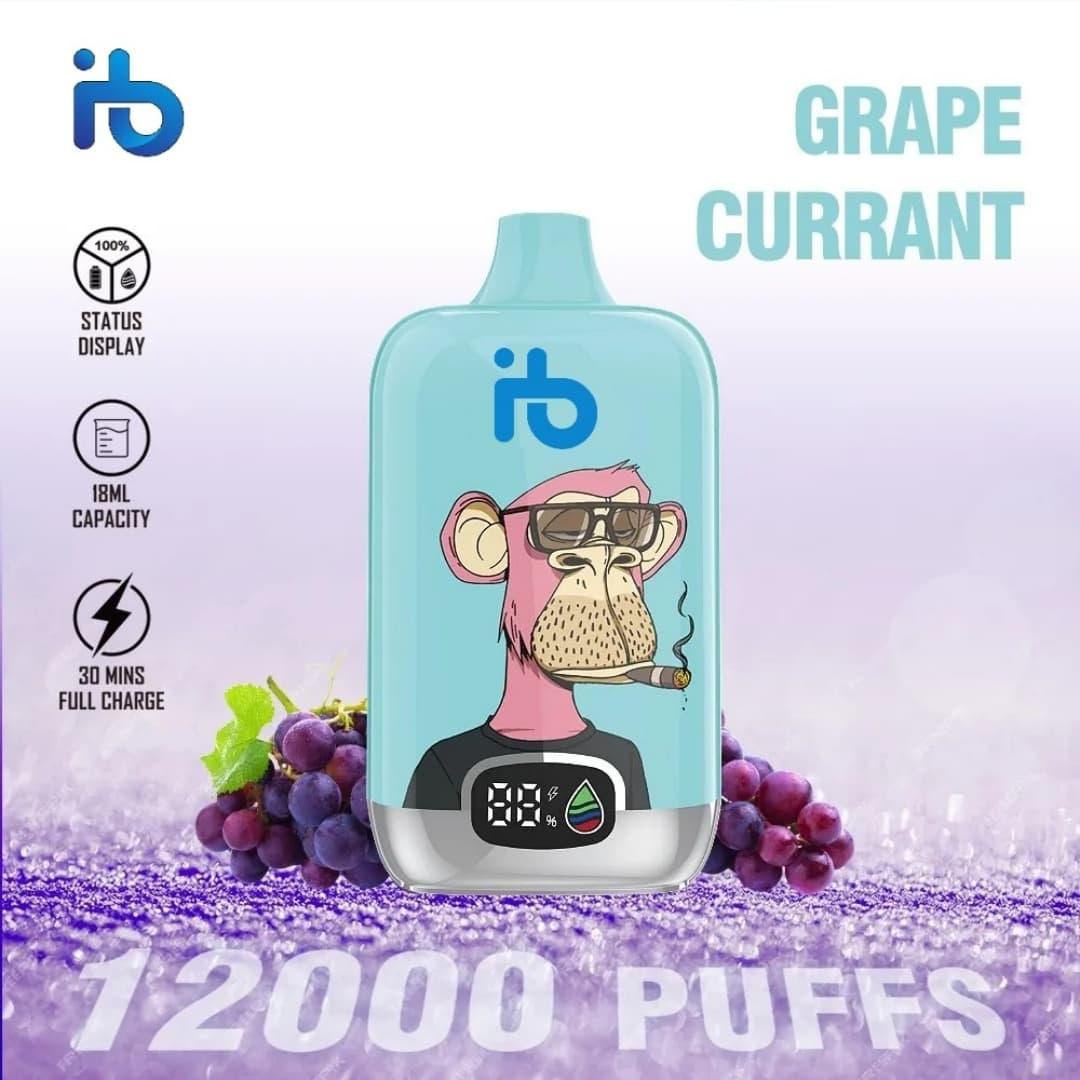
Key battery handling rules
- Spare batteries must be in carry-on baggage only.
- Terminal protection: cover exposed terminals with tape or keep batteries in individual plastic cases to prevent shorting.
- Watt-hour (Wh) limits: Many airlines limit batteries to 100 Wh without airline approval; between 100–160 Wh may require airline approval; batteries above 160 Wh are usually prohibited. Check your battery specifications and airline policy.
Packing and storage tips
Always power off devices and remove tanks or pods to avoid accidental activation. Use a fire-resistant battery case for spares and store e-liquids upright in leak-resistant bottles. Avoid loose metal objects near batteries and consider using silicone or plastic battery sleeves for additional insulation.
Regional differences and customs
Countries treat e-cigarettes differently. Some have liberal policies; others ban importation, sale, or use. Before travel, verify the destination country’s rules to avoid confiscation or legal issues. Official embassy websites, airline customer service, or reputable travel forums can provide up-to-date guidance.
Examples of divergent approaches
- Some EU countries regulate e-liquids under tobacco product directives with concentration and bottle-size limits.
- Several countries have outright bans on possession or importation of vaping devices and e-liquids.
- Transit airports may enforce local rules even if your final destination allows vaping. Always check the whole itinerary.
On-board etiquette and legal restrictions
Vaping on planes or in airport terminals is almost universally forbidden. Using a device onboard can result in fines, travel bans, or criminal charges. Airport lounges or designated outdoor areas may allow vaping in some locations, but always look for posted signage and ask staff.
Consequences of vaping in prohibited zones
Fines, removal from aircraft, or being reported to authorities are possible. Many airlines treat vaping the same as smoking for enforcement purposes, so the penalties can be significant.
IBvape-specific recommendations
For travelers who use IBvape products, these practical tips optimize convenience and compliance while preserving device performance.
Choosing IBvape gear for travel
- Prefer compact, safety-certified pod systems with internal batteries under common watt-hour limits.
- Use sealed IBvape pods or cartridges to reduce leakage and make security screening easier.
- Carry IBvape-approved spare coils and a minimal maintenance kit to avoid bulky tools that invite questions at checkpoints.

Packing IBvape devices
Turn off your IBvape device and empty or secure the pod to prevent spills. Pack IBvape batteries in a protective case and keep the device accessible in a clear carry-on compartment. If traveling with multiple IBvape items, organize them together so you can quickly comply with security requests without searching through luggage.
IBvape charger and power considerations
Carry only the official IBvape chargers or cables in your cabin bag and avoid third-party fast chargers that may have unknown safety profiles. When charging at airports, use official charging stations if available, but avoid leaving devices unattended while charging.
Packing checklist for travelers
- IBvape device(s) powered off and stored in carry-on.
- Spare batteries in individual protective sleeves or original packaging.
- Sealed e-liquid bottles within allowed volume limits and placed in a resealable transparent bag.
- Documentation for any medicinal nicotine supplies.
- Portable fire-resistant battery case.
- Minimal maintenance tools and spare coils sealed in original packaging.
What to do if a device is confiscated
If security or customs confiscates your device, remain calm. Ask for a written receipt if offered and check the specific reason. Some airports allow temporary disposal or offer to mail items home. When traveling in countries with strict bans, confiscation may be final, and dispute options may be limited.
Practical travel scenarios
Short domestic flight
For short hops, a single IBvape pod system, spare pod, and small bottle of e-liquid are usually sufficient. Keep everything in carry-on and avoid charging on board.
Long-haul international travel
Long flights may require multiple charged devices or larger e-liquid supplies. Plan ahead by confirming Wh ratings for batteries, seeking airline approval if necessary, and ensuring compliance with local import rules at your destination and transit points.
Safety-first habits for regular travelers
Adopt safe routines: routinely inspect batteries for damage, keep devices clean, avoid jury-rigged repairs, and replace worn parts. Register device manuals or serial numbers where available to demonstrate legitimacy if questioned by authorities. These habits reduce risk and help you stay compliant with airline policies.
Battery maintenance checklist
- Check for dents, swelling, or exposed material.
- Replace batteries showing wear; never attempt to recharge damaged cells.
- Keep contacts clean and avoid carrying loose batteries loose in pockets.
SEO-focused content strategy notes
To help readers find reliable travel vaping information, this article intentionally uses keywords like IBvape and can i travel with e cigarettes across headings and paragraph text. Proper semantic structure using
,
, , and list tags improves search engine comprehension. Including practical checklists, troubleshooting steps, and localized compliance advice increases relevance and dwell time, which are positive signals for search engines. Avoiding keyword stuffing while maintaining natural phrasing keeps the content user-friendly and search-optimized.
Recommended internal link targets
When placing this content on a website, link phrases to authoritative resources such as airline policy pages, official aviation safety guidance, IBvape product pages, and national customs sites. Outbound links to high-authority sources support credibility and SEO performance.
Final travel-ready reminders
In short: always pack e-cigarettes and spare batteries in carry-on luggage, protect battery terminals, obey liquid limits, respect no-vaping rules at airports and onboard aircraft, and verify local laws at your destination. For IBvape users, choosing compact, certified devices and following the brand’s packing suggestions reduces hassle and keeps you compliant.
Parting tip
Before each trip, perform a quick pre-flight checklist: power off, secure pods, pack batteries in sleeves, and verify destination rules. A few minutes of preparation can save time, money, and stress at the airport.
FAQ (Common questions)
Can I take an IBvape device in checked luggage?
No. Most airlines require that e-cigarettes and spare batteries remain in carry-on baggage for safety reasons.
Are spare IBvape batteries allowed on board?
Yes, spare batteries are typically allowed in carry-on if their watt-hour rating complies with airline limits and if their terminals are protected.
What if my destination bans vaping?
If vaping devices are prohibited at your destination, do not attempt to bring them in. Confiscation, fines, or legal consequences may occur. Research local laws and consider alternatives such as nicotine replacement therapy.
Recommended internal link targets
When placing this content on a website, link phrases to authoritative resources such as airline policy pages, official aviation safety guidance, IBvape product pages, and national customs sites. Outbound links to high-authority sources support credibility and SEO performance.
Final travel-ready reminders
In short: always pack e-cigarettes and spare batteries in carry-on luggage, protect battery terminals, obey liquid limits, respect no-vaping rules at airports and onboard aircraft, and verify local laws at your destination. For IBvape users, choosing compact, certified devices and following the brand’s packing suggestions reduces hassle and keeps you compliant.
Parting tip
Before each trip, perform a quick pre-flight checklist: power off, secure pods, pack batteries in sleeves, and verify destination rules. A few minutes of preparation can save time, money, and stress at the airport.
Can I take an IBvape device in checked luggage?
No. Most airlines require that e-cigarettes and spare batteries remain in carry-on baggage for safety reasons.
Are spare IBvape batteries allowed on board?
Yes, spare batteries are typically allowed in carry-on if their watt-hour rating complies with airline limits and if their terminals are protected.
What if my destination bans vaping?
If vaping devices are prohibited at your destination, do not attempt to bring them in. Confiscation, fines, or legal consequences may occur. Research local laws and consider alternatives such as nicotine replacement therapy.