
A Practical Travel Guide for Modern Vapers
Traveling with a personal vaporizer raises practical questions and safety considerations that every traveler should understand before packing a device. This comprehensive guide focuses on safe transit methods for devices like the IBvape E-cigarete and answers the common search intent behind queries such as can you take ecigs on a plane. If you are preparing to fly, this article collects regulated advice, airline practices, packing techniques, and on-the-ground tips so that your trip remains smooth and compliant.
Why the rules matter: batteries, liquids, and safety first
The single most important aspect of traveling with electronic nicotine delivery systems (ENDS) is battery safety. Most compact devices, including the IBvape E-cigarete, contain lithium-ion cells which are sensitive to temperature, impact, and short-circuiting. Aviation authorities worldwide place restrictions on how such batteries can be transported because of the fire risk. When users ask, can you take ecigs on a plane, the consistent answer is: Yes, but with rules—primarily that batteries and devices should ride in carry-on baggage, not checked luggage.
Core rules you must know
- Carry-on vs Checked: Always carry your device and spare batteries in the cabin; do not place them in checked baggage.
- Battery protection: Terminals must be protected to prevent short circuits — use original packaging, a dedicated battery case, or cover terminals with tape.
- Spare batteries: Many airlines limit spare lithium batteries by capacity and number. Check airline rules for watt-hour (Wh) limits and allowance per passenger.
- E-liquid limits: When carried in cabin luggage, e-liquids are subject to the same liquid restrictions as other liquids—containers usually must be 100 ml (3.4 oz) or smaller and stored in a clear, resealable bag.
- Usage onboard: Never use or charge your device while on board unless an airline explicitly permits charging and use; most do not allow vaping on the plane.
Pre-flight checklist for IBvape users
Before you leave home, run through this checklist to make sure you meet regulatory and airline-specific requirements.
- Charge your device to a moderate level but avoid transporting a fully charged battery when long delays are likely.
- Place the IBvape E-cigarete in a protective case to prevent accidental activation or crushed components.
- Pack e-liquids in travel-size containers and place them in the transparent liquids bag for security screening.
- Label or carry receipts for batteries or devices if you recently purchased them, which can ease questions from security officers.
- Verify your airline’s policy for spare batteries and power banks—most airlines require these items in carry-on only.
Tip: A small, rigid case designed for mods and spare cells reduces movement and minimizes impact risk during transit.
How to answer “can you take ecigs on a plane?” for different airports and airlines
Airport security (TSA in the United States, CATSA in Canada, and equivalent authorities globally) generally permits electronic cigarettes in carry-on bags. However, local rules can vary by country and airline. Some carriers restrict the use of e-cigarettes in international transit zones or domestic terminals. Consequently, ask: “Can I take my IBvape E-cigarete in my carry-on?” rather than assuming uniform policies across all airlines. Always consult the airline website or customer service before travel.
International travel nuance
When crossing borders, you also must account for differing national laws on nicotine-containing liquids and devices. Some countries classify nicotine e-liquid as a controlled substance or require special documentation. A travel-friendly approach is to carry modest quantities of e-liquid, avoid products with unusually high nicotine concentration, and retain manufacturer information in case of inspection.
Packing strategies: separating liquids, devices, and batteries
Packing failures to avoid
- Never hide batteries inside checked luggage or within packed clothes where visual inspection is difficult.
- Don’t carry loose combustible materials near batteries.
- Avoid mixing e-liquids and batteries in a single soft bag where leaks might create shorting hazards.
At the airport and during security screening
Security processes are designed to identify potential risks. Declare your spare batteries if asked, and be prepared to remove devices from their cases to help the X-ray operator. If asked, explain that your device is an personal vaporizer (mention brand like IBvape E-cigarete if relevant) and be ready to show that batteries are stored safely. Typically, devices will be permitted as carry-on items; however, airport security officers have final discretion.
Common security questions and how to respond
- Q: What is that device? A: It’s an electronic vaporizer; the brand is IBvape E-cigarete.
- Q: Where are the spare batteries? A: In a dedicated, insulated case inside my carry-on.
- Q: Are there liquids inside? A: Yes, contained in travel-size bottles inside a clear liquids bag.
In-flight conduct: do’s and don’ts
Most airlines strictly prohibit vaping on board. Even if an aircraft has personal power outlets, do not charge or use your IBvape E-cigarete during the flight unless the cabin crew specifically authorizes it. Using e-cigarettes onboard can result in fines, removal from the flight, or worse, legal charges in jurisdictions with very strict rules.
Practical in-flight advice
- Keep your device powered off during the entire flight unless instructed otherwise by crew.
- Store it in a secure place under the seat in front of you or in the overhead cabin—but remember, if you place it in the overhead bin, the device is still required to be packed in carry-on rather than checked luggage.
- If turbulence is expected, stow devices to prevent movement and impact.
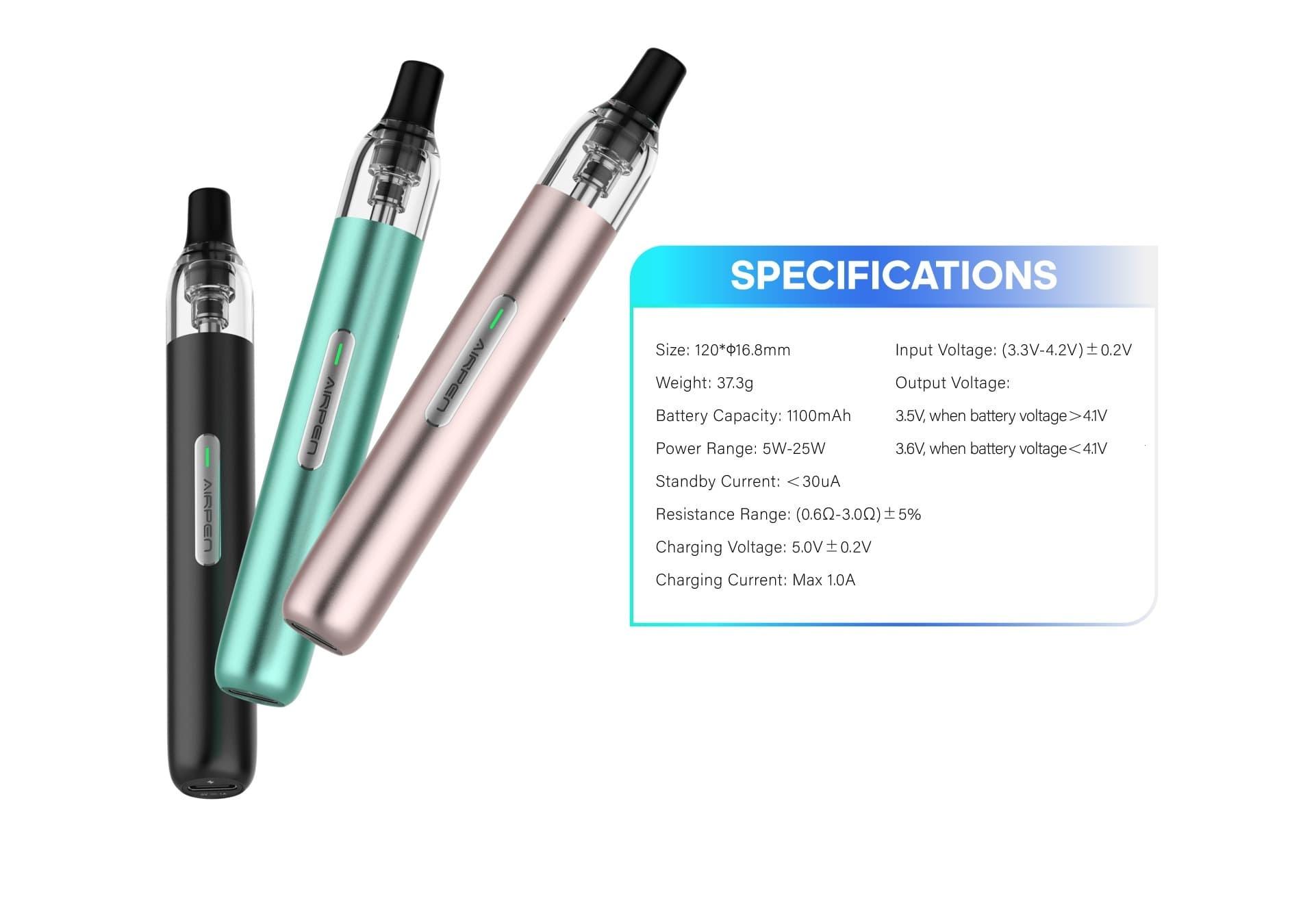
Destination considerations: local laws and restrictions
Knowing whether a country allows the possession, sale, or use of nicotine e-liquids or ENDS devices is essential. Some places ban vaping or have stringent importation rules. Before you travel, research destination laws. When in doubt, carry minimal quantities and documentation such as purchase receipts. This reduces complications at customs and helps answer specific questions about import limits for nicotine products.
Useful resources for legal checks
Consult embassy pages, official government travel advisories, and reputable travel forums. When you search for can you take ecigs on a plane, prioritize official airline and government pages for the most accurate guidance.
Maintenance and hygiene while traveling
Routine care keeps your device functioning while away from home. Pack a small cleaning kit (microfiber cloth, cotton swabs, and isopropyl wipes) to remove residue from contact points and ensure reliable performance. Replace or top up coils and refill tanks as needed before departure to avoid carrying extra tools in your hand luggage.
Sanitation tip
If you intend to share devices with a travel companion, only do so with disposable mouthpieces or after disinfecting all contact surfaces to reduce risk of transmitting germs.
How to handle lost, damaged, or confiscated devices
Occasionally devices can be damaged or confiscated at security. Keep clear photos of your device and retain purchase information in cloud storage or email to access proof if needed. If an item is confiscated, request documentation or a receipt from the agency or airline; this documentation helps in appeals or insurance claims.
Alternatives to carrying your device
Some travelers prefer alternatives when international travel is complex: nicotine patches, gum, or lozenges. These items are typically allowed and simplify airport screening. If you anticipate trouble at customs or restrictive laws, consider using non-device nicotine products for the duration of your trip.
Practical packing example for a week-long trip
Below is a sample arrangement that balances convenience and compliance:
- Device: IBvape E-cigarete in a rigid protective case.
- Spare battery: In original sleeve or insulated case, taped terminals if required.
- E-liquids: Up to required quantity in 100 ml bottles inside a clear resealable bag.
- Charger: Pack only necessary cables; avoid large power banks unless essential and permitted.
- Documentation: Proof of purchase and brief product information in PDF on your phone or printed.
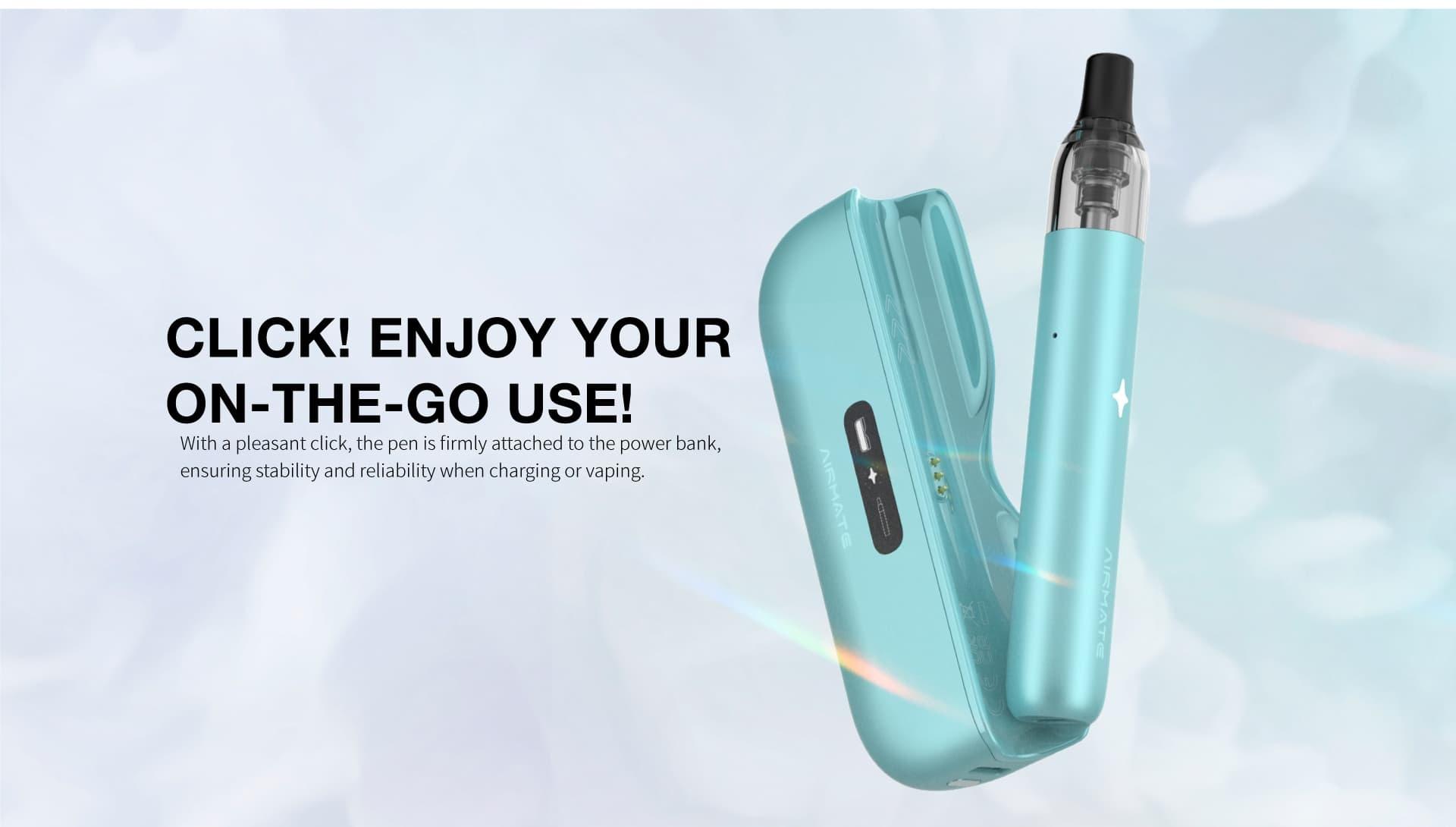

Final rules of thumb for safe, compliant travel
When preparing to fly, ask yourself: Have I confirmed airline policy? Are my batteries protected? Do I have liquids in approved sizes? If you can answer yes to these three, you are likely ready to carry a device like the IBvape E-cigarete on your journey. Remember that the exact regulatory landscape can change; checking official sources close to departure reduces surprises.
SEO note: Travelers searching can you take ecigs on a plane often want quick, actionable steps — the guidance above provides clear rules and helpful packing strategies to satisfy that intent.
Quick troubleshooting for common travel scenarios
- Security asks to see your device: Present it in the case and point to the batteries stored in the carry-on.
- You’re asked to dispose of e-liquid: Have backup alternatives like nicotine gum available but comply with the instruction—security decisions are final.
- Your airline prohibits spare batteries: Reconfirm policy; if prohibited, evaluate whether to ship batteries separately via approved courier or leave them at home.
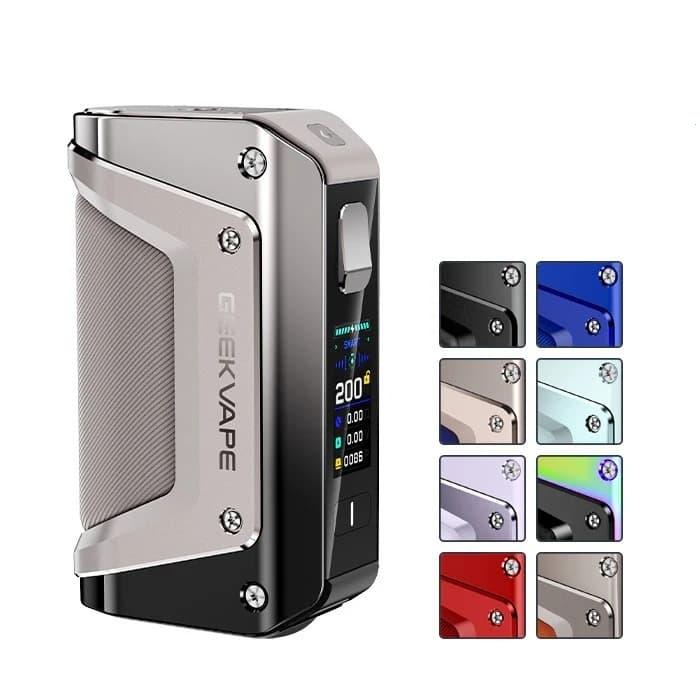
How to phrase questions to airline staff
Examples: “Could you confirm the airline’s policy on carrying lithium-ion batteries and electronic vaporizers?” or “Is it permitted to have an IBvape E-cigarete in carry-on and are there restrictions on my spare batteries?” Clear, polite questions yield the best results.
Summary and closing considerations
The short answer to can you take ecigs on a plane is affirmative with conditions: carry your device and spare batteries in cabin baggage, secure terminals, follow liquid rules, and never vape aboard an aircraft. Planning ahead, using protective cases, and checking airline and destination policies significantly reduce the chance of inconvenience. Whether you travel for business or leisure, applying these practical, safety-oriented steps ensures your device accompanies you with minimal disruption.
FAQ
A1: No. Most aviation authorities require ENDS devices and spare lithium batteries to be transported in carry-on baggage only for safety reasons.
Q2: Are power banks treated the same as spare e-cigarette batteries?
A2: Power banks (portable chargers) are treated as spare lithium batteries and must be carried in the cabin; airline limits on capacity and quantity may apply.
Q3: What happens if I use an e-cigarette on a plane?
A3: Using a vaping device on board is generally prohibited and can lead to fines, removal from the flight, or legal penalties depending on the jurisdiction.
Q4: Do liquid restrictions apply to e-liquids?
A4: Yes. E-liquids generally fall under standard liquid carriage rules (usually containers under 100 ml in a clear resealable bag) but check local rules for exceptions.