
IBvape|can you take e cigarettes on international flights — Essential guidance for travelers
Travelers who use vaping devices face a shifting landscape of airline policies, airport rules and national regulations. If you are planning to fly with an IBvape kit or other electronic nicotine delivery systems, it’s important to know how to pack, where to store batteries, and what international carriers may allow. This guide synthesizes practical tips, safety best practices and compliance steps so you can travel with confidence. Whether you’re carrying a compact pod system, a vape mod with removable batteries, or bottles of e-liquid, reading the advice below reduces the chance of delays, confiscations or safety incidents.
Quick summary: what most carriers expect
Most international airlines follow industry standards that prioritize safety: e-cigarettes, vape pens and their spare lithium batteries are generally permitted in carry-on baggage only and are prohibited from checked baggage. Disposable or non-removable-battery devices may still be restricted by specific airlines or destination countries. Liquids such as e-liquids must comply with the usual carry-on liquid limits (typically containers of 100 ml/3.4 oz or less inside a clear resealable bag) and subject to customs regulations on nicotine. When in doubt, verify with your airline and consult the IATA guidance for lithium batteries and portable electronic devices.
Why rules exist
Rules around e-cigarettes and batteries exist because lithium-ion batteries can overheat and ignite under pressure, in confined spaces, or when damaged. Pressurized cargo holds and stowed luggage make fire suppression extremely difficult, so airlines prefer these devices kept in the passenger cabin where incidents can be detected quickly. Additionally, nicotine and certain e-liquids may be regulated or banned in some jurisdictions for public health reasons.
Step-by-step packing checklist for IBvape users
- Always carry devices on board: Pack your IBvape device(s) in your carry-on bag, not checked luggage. This is the clearest, safest practice enforced by most carriers.
- Remove and protect spare batteries: If you use removable batteries (18650, 21700, etc.), carry them individually protected in a hard plastic battery case to prevent short-circuiting. Keep spare batteries in your carry-on and tape exposed terminals or use battery sleeves.
- Power down devices: Turn off or lock your IBvape device to prevent accidental activation. Remove pods or tanks if required by your airline’s policy.
- Follow liquid restrictions: Place e-liquids in containers of 100 ml/3.4 oz or less inside the single clear 1-liter liquids bag for security checks, unless larger quantities are allowed and declared for medical reasons (rare for e-liquid).
- Store coils and accessories safely: Keep coils, cotton, spare glass and small parts secured in a pouch to avoid damage and leakage.
- Declare if necessary: For countries with strict import rules on nicotine or vaping devices, declare items at customs if required and carry proof of purchase or manufacturer information to help inspectors.
These simple steps help you comply with most airline rules and reduce the chance of your device being confiscated during security screening.
Battery safety: technical points every vaper should know
Understanding battery specifications improves safety and helps ensure compliance. Typical lithium-ion limits are expressed in watt-hours (Wh). Most consumer vape batteries are under 100 Wh and are allowed in carry-on without airline approval. If you use high-capacity batteries (100–160 Wh), you usually need airline approval and must follow special packaging rules. Batteries above 160 Wh are usually forbidden on passenger aircraft. Check battery labels or calculate Wh using: Wh = (mAh × V) / 1000. For example, a 3000 mAh 3.7 V cell equals 11.1 Wh, which is well within typical allowances.
Practical battery handling tips
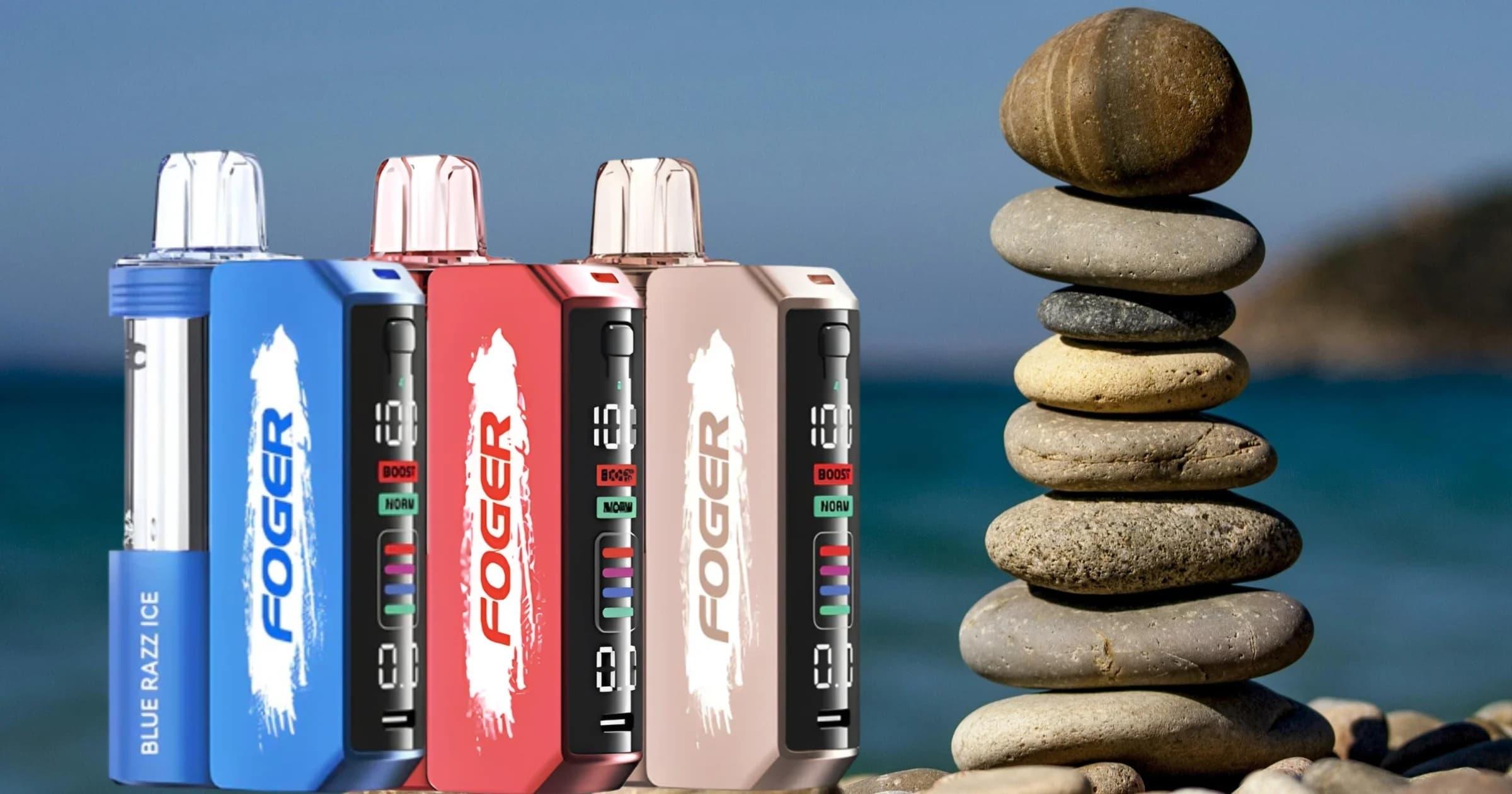
- Keep batteries in original or dedicated protective cases to avoid contact with keys, coins or metal objects.
- Do not overcharge or leave batteries charging unattended overnight at home before travel.
- Inspect cells for dents, tears in wraps, or leakage — damaged batteries must not be transported.
- Carry only the number of spare batteries allowed by the airline: many carriers allow a moderate number for personal devices, but commercial transport of many cells may be restricted.
Liquids and refills: what to pack and how
E-liquids are treated like other liquids at airport security. Keep bottles under the 100 ml rule for carry-on, and place them in a resealable transparent bag. When flying internationally, check the nicotine strength limits for your destination: some countries limit or ban nicotine-containing e-liquids (for example, in certain Southeast Asian countries). Even if you place e-liquids in checked luggage, temperature changes and vibrations can cause leaks; therefore storing them in your carry-on is safer. Bring leak-proof bottles and pack them upright if possible in a small soft-sided case.
Labeling and documentation
Label your bottles clearly with contents and nicotine concentration. If traveling with large volumes for medical reasons (rare), have documentation from a healthcare provider or prescriptions available. This can streamline customs inspections and support legitimate medical needs.
Country-specific restrictions and penalties
International rules vary widely. Singapore, for example, has strict bans on importation and possession of e-cigarettes and e-liquids and enforces heavy fines. Some countries ban nicotine-containing e-liquids but allow nicotine-free devices. Japanese regulations can be complex around nicotine solution entry. For European Union destinations, rules are generally more permissive but still require compliance with carry-on policies and local sales restrictions. Before you travel, search for the destination country’s rules with keywords such as “vape import rules [country]” and check official government and embassy pages.
Airport screening and on-board behavior
Place your IBvape device in an accessible compartment of your carry-on so security officers can inspect it if needed. Do not attempt to vape in airports or on aircraft — that’s prohibited almost everywhere and may lead to fines or legal action. If asked by security to power on a device to prove it functions, comply but be careful to avoid accidental heating or leaking. Cooperate with staff and present batteries and e-liquids neatly organized to expedite checks.
Special notes for connecting flights and layovers
If your trip includes connections in countries with strict rules, avoid carrying prohibited items through those airports. Some travelers ship devices ahead via approved courier services to a destination where vaping is permitted, but shipping lithium batteries by air is itself heavily regulated. When in transit, store devices in carry-on and be mindful that some airports enforce local bans even within international transit zones.
What airlines commonly say — examples of standard policy language

Although policies differ, you will often see language along these lines in carrier regulations: “E-cigarette devices and spare lithium batteries must be carried in cabin baggage only. Spare batteries must be individually protected to prevent short circuit. Devices must not be used on board and are prohibited in checked baggage.” Always read the exact wording for your carrier and any codeshare partners.
IBvape-specific packing and maintenance tips
For IBvape owners: pack the device in a padded case, remove detachable tanks, wipe any residue from threads, and secure mouthpieces in a small sanitary bag. If you use pre-filled pods, consider carrying sealed spare pods rather than filling at the gate; sealed packaging reduces questions and may be trusted more by security. Carry basic maintenance tools in your carry-on in a clear pouch: screwdrivers of limited size may be disallowed in some airports, so check rules about tools, but small ceramic tweezers or cotton and alcohol wipes are usually fine.
Preparing your device for international passage
- Drain or secure e-liquid from atomizers if you anticipate pressure changes on long flights to avoid leaks.
- Remove coils that might retain e-liquid and pack them to avoid cross-contamination.
- Bring a transit kit with protective sleeves, spare mouthpiece covers, and an instruction card for customs if needed.
What to do if security confiscates your IBvape
If an item is confiscated, remain calm and request a written explanation. Confiscation decisions may be final at that airport. Ask about reclaim procedures if applicable. To reduce risk of confiscation, always follow the packing checklist and verify country-specific import rules before departure.
Legal considerations and fines
Penalties range from confiscation and fines to criminal charges in countries with stringent bans. Misdeclaring prohibited goods can create legal complications. Keep receipts and manufacturer information with your device to prove purchase and specifications if asked by customs.
Additional travel advice and contingency planning
- Consider traveling with nicotine replacement alternatives (patches, gum) if your destination bans e-liquids or devices.
- Plan for battery disposal at the destination by locating approved battery recycling points.
- When shipping devices internationally, research courier rules for lithium batteries and follow IATA packaging and documentation protocols.
Search-engine friendly reminders for sharing or publishing this content
For publishers optimizing around the phrase IBvape|can you take e cigarettes on international flights, include the keyword naturally in headings, meta descriptions (when you add them on your platform), and image alt text. Use structured data where appropriate (FAQ schema if FAQ included) and maintain clear headings like those used above to aid search engine crawlers and improve readability for users seeking travel-specific vaping guidance.
Useful official references
Before you travel, consult: the IATA guidance on lithium batteries, your airline’s official baggage policy page, the destination country’s customs and health ministry sites, and airport notices for temporary restrictions. These primary sources change faster than third-party summaries and offer definitive instructions.
Final practical recap
To summarize: keep your IBvape device in carry-on, protect and limit spare batteries, secure e-liquids within carry-on liquid restrictions, research destination laws, and follow airline directives. Following these points will minimize risk and help ensure you can travel with your vaping equipment while respecting safety and legal obligations.
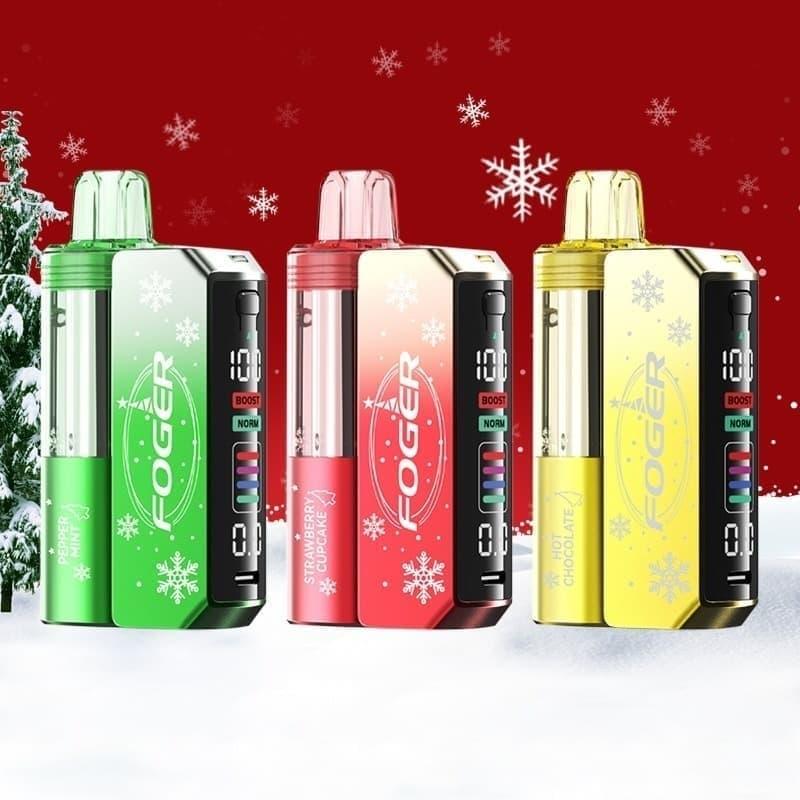 IBvape can you take e cigarettes on international flights explained with IBvape packing and battery safety tips” />
FAQ — common traveler questions
Q: Can I check my IBvape in my hold luggage?
A: No. Most airlines require that e-cigarettes and spare lithium batteries remain in carry-on baggage only due to fire risk. Place devices and batteries in your cabin bag and never in checked luggage.
Q: How many spare batteries can I bring?
A: Policies vary. Many airlines permit a reasonable number of personal spare batteries (e.g., two to four) in carry-on if they are individually protected and within allowed Wh limits; always check your carrier’s specific limits.
Q: Are e-liquids allowed through international security?
A: Yes, typically if each container is 100 ml/3.4 oz or less and all containers fit inside a single clear 1-liter resealable bag. Larger quantities or nicotine-containing products may be restricted by destination laws.
The guidance in this article aims to support responsible IBvape users traveling internationally. Regulations evolve, so verify rules with airlines and official government sources shortly before departure. Safe travels and vape responsibly.